


-
×
 Bromazepam (Lexotanil)
$350.00
Bromazepam (Lexotanil)
$350.00


What is Clonazepam in Canada?
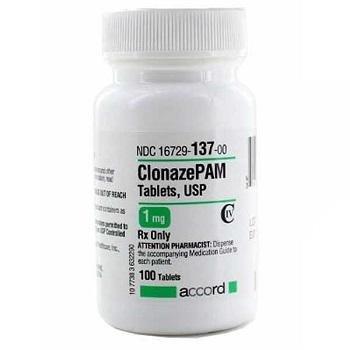
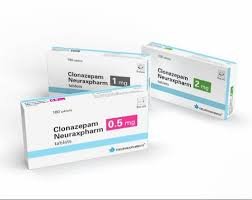
Clonazepam, known generically as Klonopin, is a long-acting benzodiazepine that operates as a central nervous system depressant, primarily in Canada. Buy Clonazepam online in Manitoba and Ontario, Canada, without a prescription, to help reduce brain overstimulation and relieve seizure symptoms. It is particularly beneficial for treating different forms of epilepsy in infants and children, offering a crucial line of defense against uncontrolled neuronal firing.
The therapeutic action of Clonazepam lies in its ability to reduce hyperactivity within the brain. Order Clonazepam online in Winnipeg and Quebec City, Canada. It slows down neuronal activity, promoting relaxation and stability for those with severe seizures or anxiety-related conditions. In addition to its use in epilepsy, it is also prescribed for treating panic disorders and alleviating anxiety symptoms that may arise during withdrawal from alcohol or other addictive substances. Moreover, healthcare providers occasionally recommend the drug for short-term management of insomnia, providing much-needed relief to individuals struggling with sleep disturbances.
Overdose and Withdrawal of Clonazepam Treatment in Canada
Clonazepam serves multiple purposes in the medical world; it functions as an anticonvulsant or anti-epileptic agent, an anxiolytic to ease anxiety symptoms, and a hypnotic to assist with sleep issues. Clonazepam is available for sale in British Columbia and Alberta, Canada. It works by interacting with GABA, an inhibitory neurotransmitter that regulates neural signaling. By enhancing GABA’s calming effects, Clonazepam helps alleviate the brain’s hyperexcited state, promoting tranquility and overall well-being.
In Canada, Clonazepam is typically available as blue tablets or a quick-dissolve variant, offering flexibility in administration and allowing up to 3 doses per day. However, due to its habit-forming nature and high potential for addiction, physicians prescribe this drug with caution, recommending it for limited durations. This is especially important as Clonazepam, being a long-acting benzodiazepine, can remain effective in the body for a lengthy period, ranging from 18 to 50 hours.
Is Clonazepam a Controlled Substance in Canada?
Yes, Clonazepam is classified as a controlled substance in Canada. Within the United States, the Drug Enforcement Administration (DEA) has categorized benzodiazepines like Clonazepam as Schedule IV controlled substances. This classification acknowledges that while it possesses legitimate therapeutic applications, it also carries the risk of addiction and misuse. Therefore, it is available only by prescription and cannot be obtained over the counter.
Although Schedule IV substances have a lower potential for abuse compared to other controlled drugs, the risk of developing both physical dependence and psychological addiction escalates with prolonged use, especially when the medication is misused. Physicians generally prescribe Clonazepam for short durations to mitigate the chances of misuse. It is crucial for patients to follow their doctor’s directives closely and avoid adjusting their dosages without professional consultation. Stopping Clonazepam abruptly can lead to distressing withdrawal symptoms, making it vital to taper off the drug under medical supervision.
Despite stringent regulations governing its sales, Clonazepam remains one of the most frequently abused benzodiazepines, often sought through illicit channels for recreational use. On the street, it is known by various slang terms, including “Tranks,” “K-pins,” “Downers,” and “Benzos.”
Clonazepam Drug Warnings in Canada
As a central nervous system depressant, Clonazepam has a significant impact on respiratory functions. This raises concerns regarding the potential for life-threatening complications such as respiratory depression, oversedation, and even coma, especially when combined with other medications. Caution is particularly warranted when this drug is prescribed alongside other central nervous system depressants, including opioids. Patients should diligently inform their healthcare provider if they are taking any opioid medications—such as hydrocodone for pain management or codeine syrup for cough relief—as these interactions can pose serious health risks.
In these scenarios, your healthcare provider may need to adjust your medication regimen, including changing dosages or monitoring your treatment more closely. If you, or someone you care about, is taking Clonazepam concurrently with opioids, it’s crucial to watch for signs of severe side effects such as lightheadedness, excessive sleepiness, drowsiness, slow or labored breathing, dizziness, or unresponsiveness. These symptoms may indicate a medical emergency requiring immediate attention.
It is imperative never to exceed the prescribed dosage of Clonazepam or prolong its use beyond what your doctor has indicated, as such actions can lead to harmful consequences and excessive health risks. Additionally, patients should disclose any history of alcohol consumption or illicit drug use prior to or during their treatment, as combining these substances can result in severe, potentially fatal, adverse reactions.
The withdrawal process from Clonazepam can be uncomfortable and is intensified when the medication is stopped abruptly. Therefore, a gradual tapering of doses, as directed by a healthcare provider, is recommended to ease the transition. Furthermore, if you experience mental health challenges or frequent thoughts of self-harm, it is essential to communicate these issues with your doctor to avoid any complications that may arise from your treatment.
Is Clonazepam an Addictive Drug in Canada?
Clonazepam, a medication often prescribed for anxiety and seizure disorders, is categorized as a Schedule-IV controlled substance in Canada. This classification acknowledges its significant risk for addiction and abuse, even when used for legitimate medical purposes. In Ontario, as well as throughout Canada, individuals taking Clonazepam may develop physical dependence on the drug, which can manifest through withdrawal symptoms. Such dependence can lead to addiction, even when the medication is used strictly as prescribed.
Across North Canada, Clonazepam ranks as the third most commonly prescribed benzodiazepine, following Xanax and Lorazepam. Its popularity has unfortunately fostered numerous instances of misuse. A notable 2011 report indicated that an estimated 20 million individuals had used benzodiazepines, including this drug, for reasons unrelated to genuine medical necessity. Alarmingly, there were approximately 75,000 emergency room visits that year related to complications resulting from abuse, highlighting a severe public health concern. Moreover, research suggests that around 15% of Americans keep a benzodiazepine prescription on hand, indicating a substantial number of people who may develop dependencies on these medications.
The appeal of Clonazepam lies in its calming effects, accompanied by mild euphoria due to its stimulation of GABA neurotransmission in the brain. This pleasurable experience can drive individuals to continue using the drug well beyond their prescribed dosage or duration. Over time, many users develop a tolerance to this medication, meaning they find themselves needing to consume larger amounts to attain the same soothing effects. This progression ultimately leads to physical dependence: individuals may find it difficult to function normally without the drug. As their reliance deepens, they may experience feelings of agitation and restlessness when not taking Clonazepam, a clear sign that addiction may be developing. The brain starts to depend on the drug’s effects, losing its ability to maintain calm and relaxation naturally.
Causes of Clonazepam Abuse in Canada
The factors leading to Clonazepam abuse in Canada are complex and multifaceted, with several contributing elements yet to be fully understood. One significant factor is an individual’s genetic predisposition; those with a historical family background of substance abuse are statistically more likely to misuse drugs like Clonazepam.
Environmental influences play a vital role as well. Individuals living in surroundings where drug abuse is prevalent or unregulated are at a higher risk of succumbing to such behaviors. Additionally, some users may initially seek out Clonazepam for recreational purposes, hoping to achieve the euphoric high it can provide. Others may begin misusing the drug after becoming dependent and mistakenly believing that a prescribed medication is inherently safe to use in higher doses.
Is it Bad to Take Clonazepam Every Day?
It’s essential to follow your healthcare provider’s guidance when taking Clonazepam in Calgary, Canada. If prescribed daily use, adhering to your doctor’s instructions is generally safe and necessary for managing your condition effectively. However, exceeding the recommended doses or extending the duration of use beyond what’s prescribed can lead to unwanted side effects and complications.
Some individuals may be tempted to take Clonazepam more frequently than recommended, which can be dangerous and is not advised. If you happen to miss a dose, it’s crucial to take the next dose when remembered; however, doubling up on doses at any time can lead to severe adverse reactions.
What are Clonazepam Hallucinations?
Clonazepam can, in some cases, cause hallucinations, which may be visual, auditory, or tactile, accompanied by paranoid delusions. These phenomena have been observed in patients using Clonazepam in Toronto, Canada, and are thought to be linked to increased serotonin levels triggered by the medication. In certain instances, these hallucinations may also be associated with pre-existing organic brain disorders.
A noteworthy case study has demonstrated that reducing the dose of Clonazepam can lead to a cessation of such hallucinations and delusions. Therefore, dose reduction might serve as a viable alternative to the outright discontinuation of the drug for those adversely affected.
| QTY | 1mg 60 tablets |
|---|
Be the first to review “Clonazepam 2”
Related products
Benzodiazepines drugs
Price range: $350.00 through $1,400.00
This product has multiple variants. The options may be chosen on the product page

Benzodiazepines drugs
Price range: $350.00 through $1,300.00
This product has multiple variants. The options may be chosen on the product page

Reviews
There are no reviews yet.