


-
×
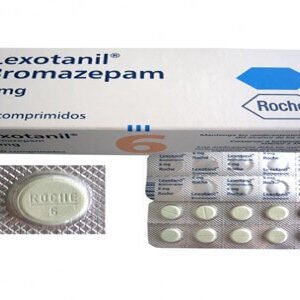 Bromazepam (Lexotanil)
$350.00
Bromazepam (Lexotanil)
$350.00 -
×
 MDMA – Mollyy pills (250mg)
$50.00
MDMA – Mollyy pills (250mg)
$50.00 -
×
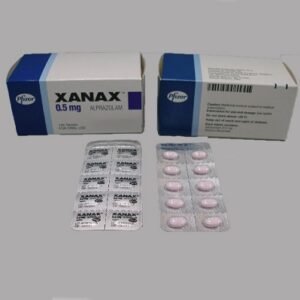 Xanax (alprazolam)
$200.00
Xanax (alprazolam)
$200.00 -
×
 Rivotril (Clonazepam)
$350.00
Rivotril (Clonazepam)
$350.00
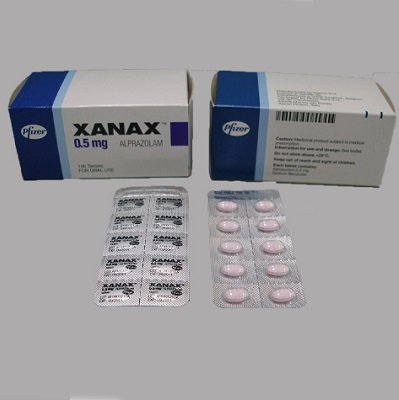

What is Xanax (alprazolam) in Canada?
Xanax, known generically as Alprazolam, is a widely prescribed medication in Canada specifically tailored for managing generalized anxiety disorder (GAD) and panic disorders. Buy Xanax (alprazolam) online in Toronto and Montreal, Canada. This benzodiazepine calms the mind and body, helping to alleviate anxiety symptoms. Order Xanax (alprazolam) online in Vancouver and Calgary, Canada, without a prescription. It may also be prescribed for insomnia, premenstrual syndrome, and certain types of depression, making it a versatile treatment option.
What Does Xanax Do?
The primary action of Xanax involves its direct interaction with GABA-A receptors, which are crucial components of the central nervous system. Xanax (alprazolam) for sale in British Columbia and Alberta, Canada. It enhances the effects of GABA, effectively reducing restlessness, nervousness, and derealization common in anxiety and panic disorders. Additionally, healthcare providers may prescribe Xanax for other conditions, including insomnia, premenstrual syndrome, and certain types of depression, providing a versatile treatment option for individuals facing various challenges.
How Should I Take Xanax?
In Ontario, Canada, Xanax (alprazolam) is available in two distinct formulations: immediate-release tablets for rapid relief and extended-release tablets (XR) designed to provide sustained action for 5 to 11 hours. Whether taken with or without food, it is imperative for patients to avoid combining with substances such as alcohol, opiates, or certain cough and cold medications, as these can lead to dangerous interactions. Patients should also inform their healthcare provider if they become pregnant during treatment. It is crucial not to discontinue Xanax abruptly; any changes to medication should be discussed with a medical professional to ensure safety.
What Does Coming Off Xanax Feel Like?
When individuals use Xanax consistently, particularly on a daily basis, there is a significant risk of developing physical dependence in Canada. This means the body may struggle to maintain normal functioning without alprazolam. Moreover, addiction can manifest in those who continue to consume the medication despite experiencing adverse consequences. This is especially true for individuals with a history of substance use disorders, who may be more susceptible to the addictive properties of this drug.
Due to its rapid absorption, it produces effects more quickly than many other benzodiazepines, but this also means that its effects dissipate swiftly, contributing to the risk of dependence and addiction. Over time, the body can become accustomed to Xanax, leading to withdrawal symptoms when usage is halted. To mitigate the severity of these withdrawal symptoms, it is generally advised to taper off the medication gradually. Manufacturers recommend reducing by no more than 0.5 milligrams every three days, but it is essential for a healthcare provider to design a personalized discontinuation plan, as experiences can vary widely among individuals.
Withdrawal Symptoms
Withdrawal from Xanax (alprazolam) can be a challenging process, and symptoms may vary in intensity. Common withdrawal symptoms include:
– Mild feelings of dissatisfaction
– Insomnia or sleeplessness
– Stomach cramps
– Muscle cramps
– Nausea or vomiting
– Excessive sweating
– Tremors or shaking
– Convulsions in severe cases
Research has indicated that some withdrawal symptoms—such as delirium and psychosis—may be more pronounced in individuals discontinuing Alprazolam compared to other benzodiazepines. To manage withdrawal symptoms effectively, healthcare providers may prescribe an alternative benzodiazepine, often one with a longer duration of action, such as diazepam (Valium). However, this approach does not universally guarantee success.
For those who have been on Xanax for an extended period and wish to cease its use, consulting a healthcare professional is paramount. They can assist in establishing a safe and effective tapering strategy to ensure the withdrawal process is as manageable as possible.
For additional information and support regarding benzodiazepine withdrawal, patients are encouraged to seek guidance from qualified healthcare professionals.
Interactions with Xanax
Xanax, a widely prescribed medication, can interact negatively with various substances, particularly in locations such as Winnipeg, Canada. One of the most concerning combinations involves the use of Xanax alongside alcohol or other central nervous system (CNS) depressants. This dangerous mixture significantly enhances the risk of side effects and can lead to severe health complications. Certain medications can increase the duration that alprazolam remains in the body, heightening the potential for overdose.
CNS depressants, including alcohol, antihistamines, and anticonvulsants, can amplify the sedative effects associated with benzodiazepines like Xanax. Additionally, some medications interfere with the CYP3A enzymes in the liver, which are crucial for eliminating this drug from the body. When these enzymes are inhibited, Xi can accumulate, posing further risks. Drugs known to impair CYP3A function include:
– Cimetidine
– Fluoxetine
– Carbamazepine
– Ritonavir
– Sertraline
– Imipramine
– Desipramine
– Warfarin
– Certain birth control pills
Benefits and Side Effects of Xanax
Xanax, or alprazolam, calms the central nervous system by binding to GABA receptors in the brain and spinal cord. This mechanism helps in calming anxiety, relaxing muscles, and slowing racing thoughts, making it a valuable treatment for generalized anxiety disorder, panic disorder, and other anxiety-related conditions.
Common Side Effects of Xanax
When Xanax is taken as directed, the side effects are typically mild and manageable. Many of these side effects tend to diminish over time, particularly in cities like Ottawa, Canada. However, misuse—taking Xanax in excessive doses or without a prescription—can lead to severe and potentially life-threatening reactions. It’s essential to discuss any side effects with your healthcare provider.
Common side effects of Xanax include:
– Drowsiness and lethargy
– Dizziness along with poor balance and coordination
– Sleep disturbances, including insomnia
– Memory issues, difficulty concentrating, and reduced mental alertness
– Slurred speech
– Gastrointestinal symptoms such as diarrhea, constipation, nausea, and vomiting
– Changes in appetite and/or weight
– Swelling in the hands or feet
– Muscle weakness
– Nasal congestion
– Episodes of hypomania
– Worsening of depressive symptoms
– Reduced libido
Serious Side Effects of Xanax
It is crucial to seek medical attention immediately if any of the following serious side effects occur after taking Xanax:
– Appearing intoxicated without having consumed alcohol
– Increased salivation
– Experience of joint pain
– Light-headedness or faintness
– Uncharacteristic talkativeness
– Heightened irritability
– Frequent headaches
– Dry mouth
– Extreme drowsiness
– Difficulty urinating
– Challenges in concentration
– Slow heart rate
– Fainting or loss of consciousness
Appearance of Xanax
Xanax (alprazolam) tablets exhibit a variety of shapes, colors, and sizes, depending on the manufacturer and dosage. The most commonly recognized form is a white, oval-shaped tablet featuring a scored line for easy splitting, allowing for precise dosing. The brand-name Xanax tablets are clearly marked with “XANAX” on one side and the dosage number on the opposite side. Generic versions may have alternative shapes, such as round or rectangular bars, and come in various colors—like blue, pink, and yellow—each indicating a different strength.
Extended-release formulations, such as Alprazolam XR, are round and coated to regulate the drug’s release over time. It is important to note that counterfeit versions of alprazolam exist in the illicit market, underscoring the need to procure this medication exclusively through licensed pharmacies to ensure safety and legitimacy. Notably, the use of benzodiazepines, including Xanax, has been widely underestimated among Canadian adults, with reports indicating that misuse accounts for nearly 20% of all cases, as highlighted by Maust et al. (2020) in their study on “Benzodiazepine Use and Misuse Among Adults in Canada.”
How Does Xanax Work in Canada?
Xanax increases the activity of gamma-aminobutyric acid (GABA) in the brain, slowing brain activity and promoting calmness. As a benzodiazepine, it enhances GABA’s effects, leading to sedation, muscle relaxation, and reduced anxiety. While effective for managing anxiety and panic disorders, it carries a risk of dependence and withdrawal, especially among young adults aged 18–25, with nearly 11% reporting use according to the 2021 National Survey on Drug Use and Health (NSDUH).
What Is Xanax Used For?
Xanax is used to treat various anxiety and panic disorders by boosting GABA’s calming effects. Here are some common conditions it addresses:
– Generalized Anxiety Disorder (GAD): Involves persistent worry that disrupts daily life; Xanax helps alleviate symptoms and promotes relaxation.
– Panic Disorder: Characterized by unexpected panic attacks; it calms the nervous system during episodes.
– Social Anxiety Disorder (SAD): Intense fear of social interactions; Xanax reduces anxiety and physical symptoms, aiding comfort in social situations.
– Insomnia (short-term use): Helps induce sleep and relax muscles, but is not recommended for long-term use due to the risk of tolerance.
– Depression-related Anxiety: Provides temporary relief for anxiety associated with depression, but is not a treatment for depression itself.
Doctors typically recommend alprazolam for short-term use due to the potential for misuse.
| QTY | 0.5MG 60 tablets |
|---|
Be the first to review “Xanax (alprazolam)”
Related products
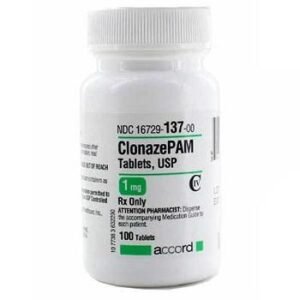
Benzodiazepines drugs
Price range: $350.00 through $1,300.00
This product has multiple variants. The options may be chosen on the product page



Benzodiazepines drugs
Price range: $350.00 through $1,400.00
This product has multiple variants. The options may be chosen on the product page

Reviews
There are no reviews yet.